Victoza vs Ozempic
Victoza vs Ozempic Read More »

Find the latest Qsymia coupon and savings options for 2026. Dr. Moein’s team helps patients access weight loss medication affordably in Los Angeles.
Qsymia Coupon 2026 | Save on Weight Loss Medication Read More »
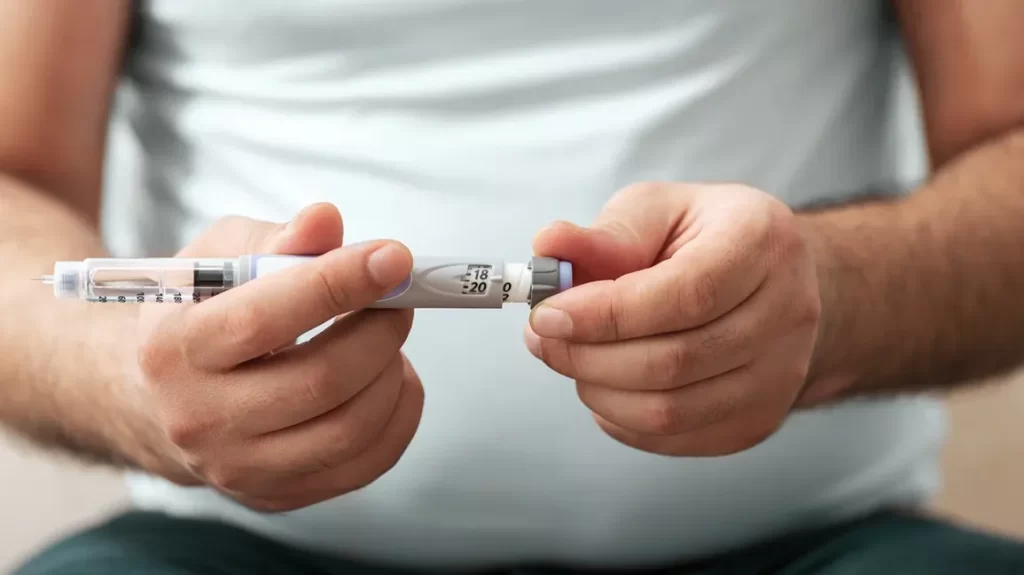
Liraglutide CostIntroduction: Liraglutide CostThe annual treatment costs of Liraglutide, also known as Victoza, can vary depending on the dosage and frequency of injections. On average, the annual cost for Liraglutide can range from $1,000 to $3,000. This cost includes the medication itself, as well as the needles and test strips needed for administration and monitoring.Patients using a GoodRx coupon for Victoza (liraglutide) may be able to save significantly on their annual treatment costs. GoodRx coupons can provide discounts of up to 80% off the retail price of prescription medications, potentially resulting in hundreds of dollars in savings for Liraglutide users.When comparing the cost needed to treat analysis for weight reduction with Liraglutide versus semaglutide, it is important to consider the overall annual treatment costs for each medication, including any additional supplies or monitoring devices required. This analysis can help patients and healthcare providers make informed decisions about the most cost-effective option for their weight reduction treatment.In conclusion, understanding the annual treatment costs of Liraglutide and utilizing resources like GoodRx coupons can help patients better manage the expenses associated with their medication. Conducting a cost needed to treat analysis can also provide valuable insights into the most cost-efficient treatment options for weight reduction with Liraglutide versus semaglutide.Liraglutide Coupons, Copay Cards and RebatesAvailable offers for Liraglutide include printable coupons, copay cards, and savings programs. Printable coupons for Liraglutide can be found on the manufacturer’s website and are typically available after completing a short registration process or questionnaire. These coupons can be used at participating pharmacies to save on the cost of Liraglutide.Additionally, some patients may be eligible for copay cards, which can help reduce the out-of-pocket costs for Liraglutide prescriptions. These cards are often available through the Liraglutide manufacturer’s website or from healthcare providers.Rebates and savings programs may also be available for Liraglutide, with specific eligibility criteria and application processes. Patients can inquire about these offers with their healthcare providers or by visiting the Liraglutide manufacturer’s website.It’s important for patients to carefully review the details and eligibility requirements for each of these offers to ensure they can take advantage of the cost-saving opportunities for Liraglutide.How Liraglutide worksLiraglutide is a medication used to help treat type 2 diabetes and obesity by regulating blood sugar levels and promoting weight loss. It works by mimicking the effects of a naturally occurring hormone in the body called glucagon-like peptide-1 (GLP-1). This hormone helps regulate insulin secretion, slows down gastric emptying, and reduces appetite. By mimicking the effects of GLP-1, liraglutide can help lower blood sugar levels, improve insulin sensitivity, and promote weight loss by reducing food intake. It also has the added benefit of reducing the risk of cardiovascular events in patients with type 2 diabetes. Overall, liraglutide works to address both the glycemic and weight management aspects of type 2 diabetes and obesity, making it a valuable treatment option for individuals struggling with these conditions.Indications and UsageSaxenda® is indicated for chronic weight management in adults with a body mass index (BMI) of 30 kg/m² or greater, or 27 kg/m² or greater in the presence of at least one weight-related comorbidity, such as hypertension, type 2 diabetes, or dyslipidemia. It is not recommended for use in pediatric patients. The recommended dosage of Saxenda is 3 mg once daily, administered subcutaneously. The dosage can be increased to 3 mg once daily after 1 week if the patient tolerates the lower dose well.Ozempic® is indicated as an adjunct to diet and exercise to improve glycemic control in adults with type 2 diabetes mellitus. It can be used alone or in combination with other antidiabetic medications, such as metformin, sulfonylureas, or insulin. The recommended initial dosage of Ozempic is 0.25 mg once weekly, which can be increased to 0.5 mg once weekly after at least 4 weeks if additional glycemic control is needed. Ozempic is not recommended for use in patients with type 1 diabetes or for the treatment of diabetic ketoacidosis.Important safety considerations for both medications include contraindications in patients with a personal or family history of medullary thyroid carcinoma or multiple endocrine neoplasia syndrome type 2, and warnings regarding the risk of thyroid C-cell tumors, pancreatitis, and hypoglycemia (for Ozempic). Close monitoring and patient education about these risks are essential.What is Liraglutide used for?Liraglutide, a GLP-1 receptor agonist, is primarily used as an adjunct to diet and exercise for weight management in overweight or obese adults. It works by regulating appetite and food intake, leading to weight loss. Studies have shown that liraglutide can help achieve clinically significant weight loss and sustain this weight loss for up to two years.The potential benefits of liraglutide in weight management include its ability to reduce food cravings, improve insulin sensitivity, and promote feelings of fullness. This can lead to long-term weight loss and improvements in overall health.However, liraglutide is not without safety concerns and contraindications. Some of the potential risks associated with its use include acute gallbladder disease, pancreatitis, hypoglycemia, and kidney injury. Patients with a history of these conditions or other significant medical issues may not be suitable candidates for liraglutide treatment.In conclusion, liraglutide is a valuable option for individuals struggling with weight management, but its use should be carefully considered in light of potential safety concerns and contraindications.How to save on Liraglutide?Eligibility criteria for patients to save on Liraglutide, such as Saxenda, include being 18 years or older, having commercial insurance, and not being eligible for Medicare, Medicaid, or any other federal or state healthcare program. Restrictions may apply, and the maximum savings amount is $200 per prescription. Patients can also check for any applicable savings programs through the Saxenda website or with their healthcare provider.Liraglutide can interact with insulin, sulfonylureas, and oral medications. Insulin or sulfonylureas may increase the risk of low blood sugar when used with Liraglutide, so patients should monitor their blood sugar levels carefully. Additionally, some oral medications may need to be adjusted when starting Liraglutide. It’s important to consult with a healthcare provider to manage these interactions effectively.For commercially insured Saxenda prescriptions,