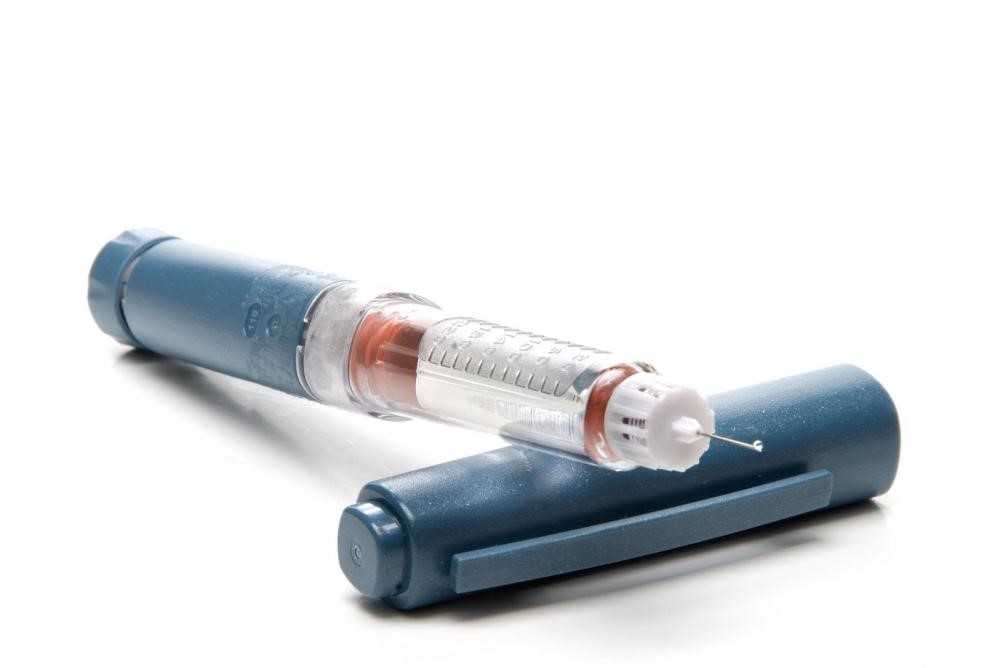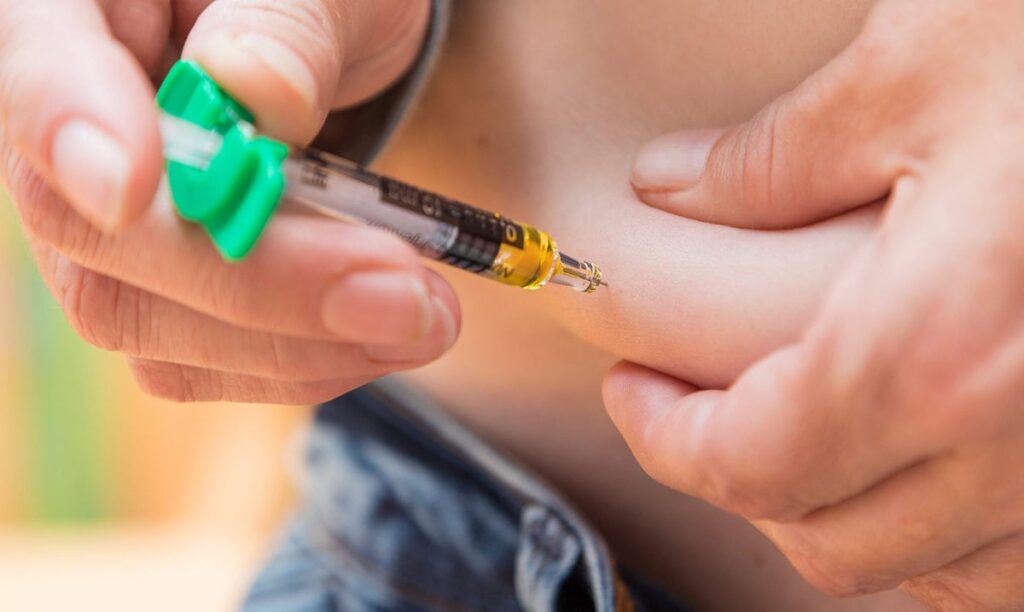

Saxenda for weight loss
Saxenda for weight loss Read More »

Best Anti Anxiety Medication for Weight LossIntroduction: Best Anti Anxiety Medication for Weight LossAnti-anxiety medications are often a crucial component of managing anxiety symptoms, and some options may also have the potential to aid in weight loss. Selective serotonin reuptake inhibitors (SSRIs) are common anti-anxiety medications that work by increasing the levels of serotonin in the brain, helping to regulate mood and reduce anxiety. Some SSRIs, such as fluoxetine, have been associated with weight loss in some individuals.Benzodiazepines, another category of anti-anxiety medications, work by enhancing the effects of a neurotransmitter called gamma-aminobutyric acid (GABA), which helps to calm the brain and nervous system. While benzodiazepines are not typically associated with weight loss, they can help manage anxiety symptoms, which may indirectly support weight management.Beta blockers, often used to treat high blood pressure, can also be effective in managing physical symptoms of anxiety, such as rapid heart rate and shaking. Some individuals may experience weight loss as a side effect of beta blockers.In addition to traditional medications, some individuals may explore alternative remedies or herbal supplements for anxiety, such as kava, valerian root, or passionflower. It is important to discuss these options with a healthcare professional, as they may interact with other medications or have potential risks.In summary, while certain anti-anxiety medications may have the potential to aid in weight loss, it’s important to work closely with a healthcare provider to find the most effective and safe treatment approach for managing anxiety symptoms.Anti anxiety medications for Weight LossMany people struggle with anxiety and the side effects it can have on their physical health, including weight gain. In response, some individuals may turn to anti-anxiety medications that are known to have weight loss as a potential side effect. While these medications may seem like a quick solution, it’s important to carefully consider their potential impact on overall health and well-being. Understanding the mechanisms and risks associated with anti-anxiety medications for weight loss can help individuals make informed decisions about their treatment options.How does Bupropion make you lose weight?Bupropion, commonly known by the brand name Wellbutrin, is an antidepressant that has been found to promote weight loss through its unique mechanism of action. Unlike other antidepressants that may cause weight gain as a side effect, bupropion has been shown to have a stimulating effect on pro-opiomelanocortin (POMC) cells in the hypothalamus. POMC cells regulate appetite and energy balance, and bupropion’s stimulation of these cells can lead to reduced food intake and increased energy expenditure, ultimately resulting in weight loss.In 2014, the FDA approved bupropion for weight loss based on its ability to help individuals achieve and maintain a healthy weight. This approval makes bupropion different from other antidepressants, as it is the only one to receive FDA approval specifically for weight loss.Healthcare professionals may consider prescribing Wellbutrin as a weight loss aid for individuals with depression who are also concerned about weight management. However, it is important to be aware of potential risks and precautions, such as the possibility of increased risk of seizures and potential interactions with other medications. Before using bupropion for weight loss, individuals should consult with a healthcare professional to determine if it is a suitable and safe option for them.Benefits of BuproprionBupropion, commonly known by the brand name Wellbutrin, offers several benefits for individuals suffering from depression. It is an effective antidepressant that works by increasing the levels of certain chemicals in the brain that help improve mood and feelings of well-being. Additionally, bupropion has been found to have potential weight loss effects, making it a desirable option for individuals who may be concerned about weight gain as a side effect of other antidepressants.Furthermore, bupropion is also available in combination with naltrexone as the drug Contrave, which has been approved by the FDA for weight loss. The combination of bupropion and naltrexone in Contrave works by reducing appetite and cravings, making it an effective option for individuals looking to manage their weight.In summary, bupropion offers dual benefits of effectively treating depression and potential weight loss effects. Its approval as a component of Contrave by the FDA further solidifies its effectiveness in weight managementRisks of BuproprionBupropion, also known by the brand name Wellbutrin, has potential risks and side effects that individuals should be aware of before taking this medication. Common side effects may include dizziness, headaches, and changes in appetite. More serious side effects can include seizures, hallucinations, and changes in heart rate. It’s important to note that anyone experiencing these serious side effects should stop taking bupropion immediately and seek medical attention.The FDA has issued a warning regarding the increased risk of suicide and unpredictable mood changes associated with bupropion, especially in younger individuals. It’s crucial for patients to be aware of these potential risks and to discuss any concerns with their healthcare provider before starting this medication. If you or someone you know is taking bupropion and experiences any concerning side effects, it’s important to seek medical help right away. Being informed about the potential risks and side effects of bupropion is essential for making a well-informed decision about medical treatment.Antidepressant medications for Weight LossIntroduction:Antidepressant medications are often prescribed to help individuals manage symptoms of depression and anxiety. However, it is important to note that in some cases, certain antidepressants may also have side effects related to weight. This article will explore the potential impact of antidepressant medications on weight and discuss the factors to consider when it comes to weight loss and antidepressants.Potential Impact on Weight:Some antidepressant medications have been linked to weight gain, while others may have the potential to cause weight loss. The effect on weight can vary depending on the specific medication and individual factors such as metabolism and lifestyle. It is important for individuals to be aware of the potential impact of their antidepressant medication on their weight and discuss any concerns with their healthcare provider.Considerations for Weight Loss:For individuals who are taking antidepressant medications and are seeking to manage their weight, it is important to approach weight loss in
Best anti anxiety medication for weight loss Read More »

Introduction: Wegovy ReviewsWegovy, a relatively new weight loss medication, has received mixed reviews from patients on various platforms such as drugs.com and Reddit. Positive reviews often highlight significant weight loss results and improved overall health. One patient on drugs.com reported, “I’ve lost 30 pounds in 4 months and my energy levels have skyrocketed.” Additionally, many users praised the medication for curbing their appetite and cravings, leading to successful weight loss journeys.On the other hand, negative reviews raise concerns about side effects, including nausea, diarrhea, and headaches. Some users on Reddit shared their discomfort with the injection process and experienced mood swings while taking Wegovy. A user mentioned, “The side effects were too much for me to handle, and I had to stop using it.”In conclusion, Wegovy’s reviews are a mixed bag, with some patients highlighting its effectiveness in weight loss and appetite control, while others express concerns about side effects and the injection process. Individual experiences with Wegovy vary, emphasizing the importance of consulting with a healthcare professional before starting this medication.Wegovy User Reviews & RatingsIntroduction: Wegovy is a prescription medication used for weight management in adults who have obesity or who are overweight and have weight-related medical problems. This article will explore user reviews and ratings of Wegovy to provide insight into the experiences and satisfaction of individuals using this medication for weight loss.Users of Wegovy have reported significant weight loss and improvements in their overall health. Many have shared positive experiences, citing Wegovy as a powerful tool in their weight management journey. Some users have noted impressive results in a relatively short period, expressing satisfaction with the medication’s effectiveness. Reviewers also frequently mention the support they received from healthcare professionals in monitoring their progress and adjusting their treatment plans as needed. However, some users have reported experiencing side effects such as nausea, diarrhea, and constipation, which have impacted their overall experience with Wegovy. Additionally, cost and insurance coverage have been listed as barriers for some individuals considering or using Wegovy. Overall, user reviews and ratings of Wegovy provide valuable insights into the real-world experiences of individuals using this medication for weight management.Most voted positive reviewI have found Wegovy to be incredibly effective for my weight loss journey. The main reasons for its effectiveness are the significant decrease in my appetite, leading to reduced food cravings and overall calorie intake. This medication also boosted my metabolism, allowing me to burn more calories throughout the day. The most common side effect I encountered was nausea, which I managed by eating smaller, more frequent meals and staying hydrated.I started seeing results within the first month of using Wegovy, and over 6 months, I lost a total of 30 pounds. My tip for others considering Wegovy is to stay consistent with taking the medication, follow a healthy diet, and incorporate regular exercise. It’s important to listen to your body and communicate any side effects with your healthcare provider. Overall, Wegovy has been a game-changer for my weight loss journey, and I highly recommend it to anyone struggling to shed extra pounds.Most voted negative reviewI recently had a disappointing experience with trying to obtain insurance coverage for Wegovy, a new weight-loss medication. Despite having insurance, the medication was not covered due to its high out-of-pocket cost of $3500. Even with a $25 discount coupon, the cost remained unaffordable. This left me no choice but to switch back to a more affordable pill option.The specific reasons for the insurance not covering Wegovy were not provided, but it seems that the high out-of-pocket cost was the main issue. The $25 discount coupon provided by the manufacturer was ineffective in making the medication affordable. As a result, the nurse practitioner and I decided it was best to switch back to a more affordable pill option that was covered by insurance.In the future, it would be beneficial for insurance companies to reconsider covering medications like Wegovy, which have shown to be effective in weight loss, and for manufacturers to provide more substantial discounts to make these medications more accessible to those who need them.Frequently asked questionsI have been using Wegovy for the past few months and have experienced great success with weight loss. I did encounter some side effects such as nausea, headache, and diarrhea initially, but they subsided after a few weeks. It took about 6 weeks for me to start seeing noticeable weight loss results.Comparing Wegovy with other weight loss medications, I found it to be more effective in suppressing my appetite and reducing cravings. It also helped me to feel fuller for longer periods, which contributed to my overall weight loss success.I have faced some challenges and plateaus in my weight loss journey, especially when my progress seemed to stall. To address this, I made adjustments to my diet and exercise routine, as well as staying consistent with taking Wegovy as prescribed. Overcoming these plateaus required patience and perseverance, but ultimately, I was able to break through and continue making progress toward my weight loss goals.Wegovy Reviews From RedditReddit users have shared a range of experiences with Wegovy, a prescription weight loss medication. Some users reported significant weight loss results, with one user claiming to have lost 20 lbs in just two months. Others mentioned feeling less hungry and having more energy, leading to successful weight loss journeys.On the other hand, some users experienced side effects such as nausea, vomiting, and diarrhea. One user reported feeling “worse than ever” after using Wegovy due to intense stomach issues. Despite this, many users expressed overall satisfaction with the medication and its effectiveness in aiding weight loss.Overall, reviews on Reddit for Wegovy are mixed, with some users praising it for its successful weight loss results and others cautioning about potential side effects. It’s important to note that individual experiences with the medication can vary, and it’s important to consult with a healthcare professional before starting any new weight loss regimen.Wegovy Reviews from QuoraWegovy users on Quora have shared their weight loss journeys while using the medication.
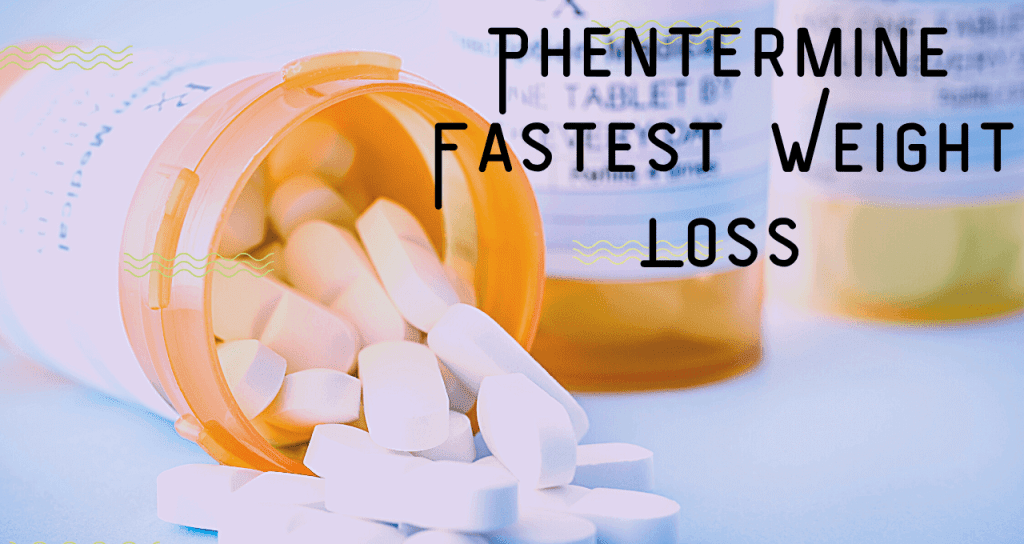
How to take phentermine 37.5 for Best resultsIntroduction to How to take phentermine 37.5 for best resultsPhentermine 37.5 should be taken exactly as prescribed by your doctor. Generally, it is taken once a day in the morning, about 30 minutes before breakfast or 1-2 hours after breakfast. Taking it before breakfast may maximize its effectiveness, but it’s essential to follow your doctor’s specific instructions for dosing and timing.Avoid taking Phentermine 37.5 in the evening or close to bedtime to prevent insomnia and other sleep disturbances. It is crucial to follow the dosing schedule provided by your healthcare provider to ensure the medication’s safe and effective use.Remember that the recommended dosage and timing may vary from person to person based on individual health conditions and needs. Always consult your doctor before making any changes to your dosing or timing. It’s important to use Phentermine 37.5 as directed to achieve the best results and minimize the risk of side effects.Phentermine Dosages for Weight Loss: Your GoodRx GuideWhen it comes to weight loss, finding the right medication and dosage is crucial. Phentermine is a popular prescription medication used to aid weight loss by suppressing appetite and boosting energy levels. Finding the right Phentermine dosage for your body and weight loss goals can be a game changer in your journey to a healthier you. In this guide, we’ll explore the different Phentermine dosages available and how to effectively use this medication as a tool for weight loss. Whether you’re new to Phentermine or looking to adjust your current dosage, this GoodRx guide will provide you with the information you need to make informed decisions about your weight loss journey.How to use Phentermine HCLPhentermine HCL should only be used as prescribed by your doctor, taking into consideration your age, medical condition, and how you respond to the medication. Typically, Phentermine HCL is taken once a day with breakfast. It is important not to crush or chew sustained-release capsules, as this can affect the way the medication is released in your body.Swallow the medication whole with a full glass of water and take it at the same time each day to get the most benefit. It is important to not increase your dose, take it more often, or use it for longer than prescribed. If you have any questions about the dosage or administration of Phentermine HCL, be sure to consult your doctor or pharmacist.Always read and follow the medication guide provided with Phentermine HCL. If you have any concerns or experience any adverse effects while using the medication, contact your healthcare provider immediately.Proper Use of Phentermine tabletsPhentermine is a prescription weight loss medication that works by suppressing the appetite and boosting energy levels. When used properly, Phentermine can be an effective tool in conjunction with diet and exercise to help people achieve their weight loss goals. However, it’s important to use Phentermine tablets as directed by a healthcare professional to avoid potential side effects and to maximize its benefits. Understanding the proper use of Phentermine tablets is crucial for safe and effective weight loss.DescriptionsPhentermine Hydrochloride Tablet, USP is available in oral dosage form. It contains the active ingredient Phentermine Hydrochloride, which is a sympathomimetic amine anorectic. The chemical composition of Phentermine Hydrochloride Tablet, USP is C10H15N•HCl.Phentermine Hydrochloride is sparingly soluble in water and ethanol. The tablet is typically white or off-white in color, round in shape, and may have a score line for ease of splitting. The tablet may also be imprinted with a specific identification code.In addition to the active ingredient, the tablet also contains inactive ingredients such as lactose monohydrate, magnesium stearate, microcrystalline cellulose, pregelatinized starch, and sucrose. These inactive ingredients contribute to the physical characteristics of the tablet and help in its formulation.Overall, Phentermine Hydrochloride Tablet, USP is available in oral dosage form and contains the active ingredient Phentermine Hydrochloride. It is sparingly soluble in water and ethanol, and its physical characteristics include a white or off-white color, round shape, and specific identification markings. Its formulation includes various inactive ingredients to aid in its production and stability.DosingOptions for Obesity Treatment:The dosing options for the treatment of obesity include various dosage forms such as oral tablets, capsules, and injections. The recommended doses and administration timings vary depending on the specific medication and the individual’s weight management plan.For adults, the recommended dose for oral medications is usually once daily, with or without food, while some injectable medications may be administered weekly. The specific dosage form and strength will determine the exact recommended dose, which can range from 1-3 capsules or tablets per day.For children, the recommended doses are determined based on their age, weight, and the specific medication prescribed by a healthcare professional. It is important to consult with a healthcare provider to determine the appropriate dosage for children.The maximum dosage and frequency of use for weight loss medications are typically outlined in the prescribing information. It is important to adhere to the recommended maximum dosage and frequency to avoid potential side effects and adverse reactions. The timing of medication administration in relation to meals may also vary, with some medications being taken before, during, or after meals.In summary, the dosing options for obesity treatment depend on the specific medication, and it is important to follow the recommended doses and administration timings provided by a healthcare professional.Specific UsesPhentermine is a medication used to aid weight loss in individuals who are obese or have weight-related medical problems. It is available in various dosage forms, including capsules, tablets, and extended-release capsules, and should be taken as directed by a healthcare provider. The typical adult dose is 8 mg to 37.5 mg once daily, with or without food.It is crucial to follow the dosing instructions for the specific form of phentermine being used, as well as to adhere to a reduced-calorie diet plan and regular exercise program. The combination of medication, diet, and exercise is essential for achieving successful weight loss. Before starting an exercise program, it is important to consult with a doctor to ensure
Hot to take phentermine 37.5 for best results Read More »
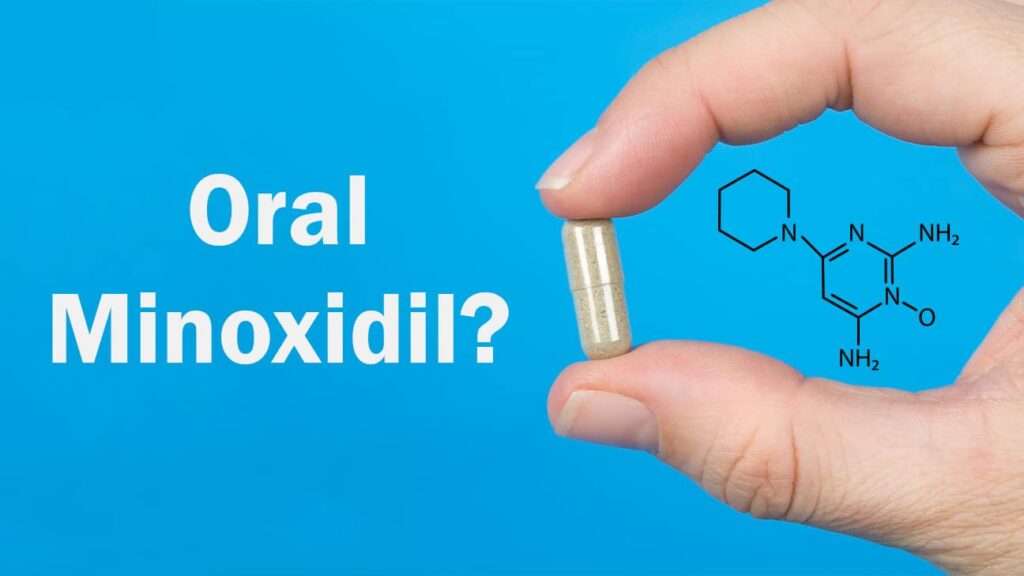
When Minoxidil should be avoidedOral minoxidil should be avoided in individuals with a history of drug allergies, as they may be at increased risk of experiencing adverse reactions to the medication. Additionally, those with pheochromocytoma, a rare tumor of the adrenal gland, should not use oral minoxidil due to the potential for severe complications. Patients with severe hepatic impairment should also avoid oral minoxidil, as the medication can further exacerbate liver problems. Furthermore, individuals with heart-related issues, such as untreated or uncontrolled high blood pressure or a history of myocardial infarction, should not take oral minoxidil, as it can potentially worsen these conditions.The potential risks and complications associated with using oral minoxidil in these cases include severe allergic reactions, exacerbation of pheochromocytoma leading to hypertensive crisis, further damage to the liver, and worsening of heart-related issues. Other potential side effects of oral minoxidil can include fluid retention, electrolyte imbalances, and rapid heartbeat. It is important for individuals with these health conditions to discuss alternative treatment options with their healthcare provider to avoid these potential risks and complications associated with oral minoxidil.How do I prepare to start oral Minoxidil?Before starting oral Minoxidil, it is essential to inform your doctor about all the medications you are currently taking, including over-the-counter drugs and supplements. This is particularly important if you are already on medications that lower blood pressure, as oral Minoxidil can further reduce blood pressure.Obtaining an at-home blood pressure monitor is crucial for monitoring your blood pressure and heart rate regularly. Take readings before starting the treatment and keep a weekly chart to track any changes. It is important to bring this chart with you to your doctor appointments so that your healthcare provider can assess the effects of oral Minoxidil on your blood pressure and heart rate.By accurately documenting your readings and maintaining communication with your doctor, you can ensure that oral Minoxidil is safe and effective for you. Remember to regularly discuss any concerns or potential side effects with your doctor to ensure the best possible outcome from your treatment.Types of hair loss treated with oral minoxidilOral minoxidil is used to treat various types of non-scarring hair loss, including androgenetic alopecia, telogen effluvium, alopecia areata, chemotherapy-induced alopecia, and traction alopecia.Androgenetic alopecia, also known as male or female pattern baldness, is the most common type of hair loss. Oral minoxidil can help stimulate hair growth and prevent further hair loss in individuals with this condition.Telogen effluvium is a type of hair loss characterized by excessive shedding due to stress, illness, or hormonal changes. Oral minoxidil can help promote hair regrowth and reduce the shedding associated with this condition.Alopecia areata is an autoimmune condition that causes patchy hair loss. Oral minoxidil can be used to stimulate hair regrowth in affected areas and improve the overall appearance of the hair.Chemotherapy-induced alopecia is a type of hair loss that occurs as a side effect of cancer treatment. Oral minoxidil can help promote hair regrowth in individuals undergoing chemotherapy.Traction alopecia is a form of hair loss caused by prolonged tension on the hair follicles, often due to hairstyles such as tight ponytails or braids. Oral minoxidil can help stimulate hair growth and improve the condition of the affected areas.In conclusion, oral minoxidil can be used to treat various types of non-scarring hair loss by promoting hair regrowth and reducing further hair loss in individuals with androgenetic alopecia, telogen effluvium, alopecia areata, chemotherapy-induced alopecia, and traction alopecia.Androgenetic alopecia (also known as male or female pattern baldness)Androgenetic alopecia, commonly known as male or female pattern baldness, is a condition characterized by progressive thinning and loss of hair, typically on the scalp. In men, this condition often causes a receding hairline and balding at the crown, while in women, it leads to a widening of the part and overall thinning of the hair.The primary cause of androgenetic alopecia is the influence of androgens, specifically dihydrotestosterone (DHT), on hair follicles. Genetic factors play a significant role in determining an individual’s sensitivity to androgens, while hormonal imbalances can also contribute to the development of this condition.In men, the symptoms of androgenetic alopecia typically start with a receding hairline and thinning at the crown, eventually leading to partial or complete baldness. Women may experience a diffuse thinning of hair across the scalp. The progression of this condition varies among individuals and can be influenced by genetic and hormonal factors.Diagnosing androgenetic alopecia involves a medical history assessment, scalp examination, and sometimes blood tests to rule out other potential causes of hair loss. Identifying the pattern of hair loss and understanding the patient’s family history are essential in determining the presence of androgenetic alopecia in both men and women.Telogen effluvium (stress-or-illness-related hair loss)Telogen effluvium (TE) is a type of non-scarring alopecia, commonly associated with stress or illness. Treatment options for TE include addressing the underlying cause, such as reducing stress or treating any underlying medical conditions. In chronic telogen effluvium (CTE), where excessive hair shedding persists for more than 6 months, oral minoxidil has been studied as a potential treatment option.A retrospective study published in the Journal of the American Academy of Dermatology found that patients with CTE who were treated with oral minoxidil experienced a significant reduction in hair shedding. The dosage of oral minoxidil used in the study was 0.25 to 5 mg daily. Patients reported improvements in hair density and overall hair condition.However, it is important to note that oral minoxidil can have potential side effects, including hypotension, tachycardia, and fluid retention. Therefore, it is crucial for patients to be monitored closely by a healthcare professional while using oral minoxidil for CTE.In conclusion, while addressing the underlying cause of TE is important, oral minoxidil may be a viable treatment option for patients with CTE experiencing persistent hair shedding. It is essential for patients to carefully weigh the potential benefits and risks of using oral minoxidil and to consult with a healthcare professional before starting this treatment.Hair loss due to chemotherapyHair loss due to chemotherapy can be a distressing side
More About Hair Loss Read More »